Wet Felting Alpaca Fleece: What You Need to Know
Alpaca fleece is a beautiful natural fibre, loved for its strength, warmth, and silky feel. But not all alpaca fleece is the same. When you shear an alpaca, the fleece from the blanket (the main body area) is usually divided into two qualities:
- The quality fleece – the super soft, fine fibres from the prime blanket area.
- The seconds – the coarser fibres, often taken from the legs, chest, and neck.
Both can be wet felted successfully, but the end results are very different. Over time, I’ve experimented with both grades of alpaca fleece, and here’s what I’ve found.
Wet Felting the Seconds Quality
The seconds will wet felt firmly and create a strong material. However, because the coarse hairs don’t fully integrate into the felt, the surface tends to stay slightly hairy.
Even when well felted, the long guard hairs often sit proud of the fabric, giving it a rougher look and texture.
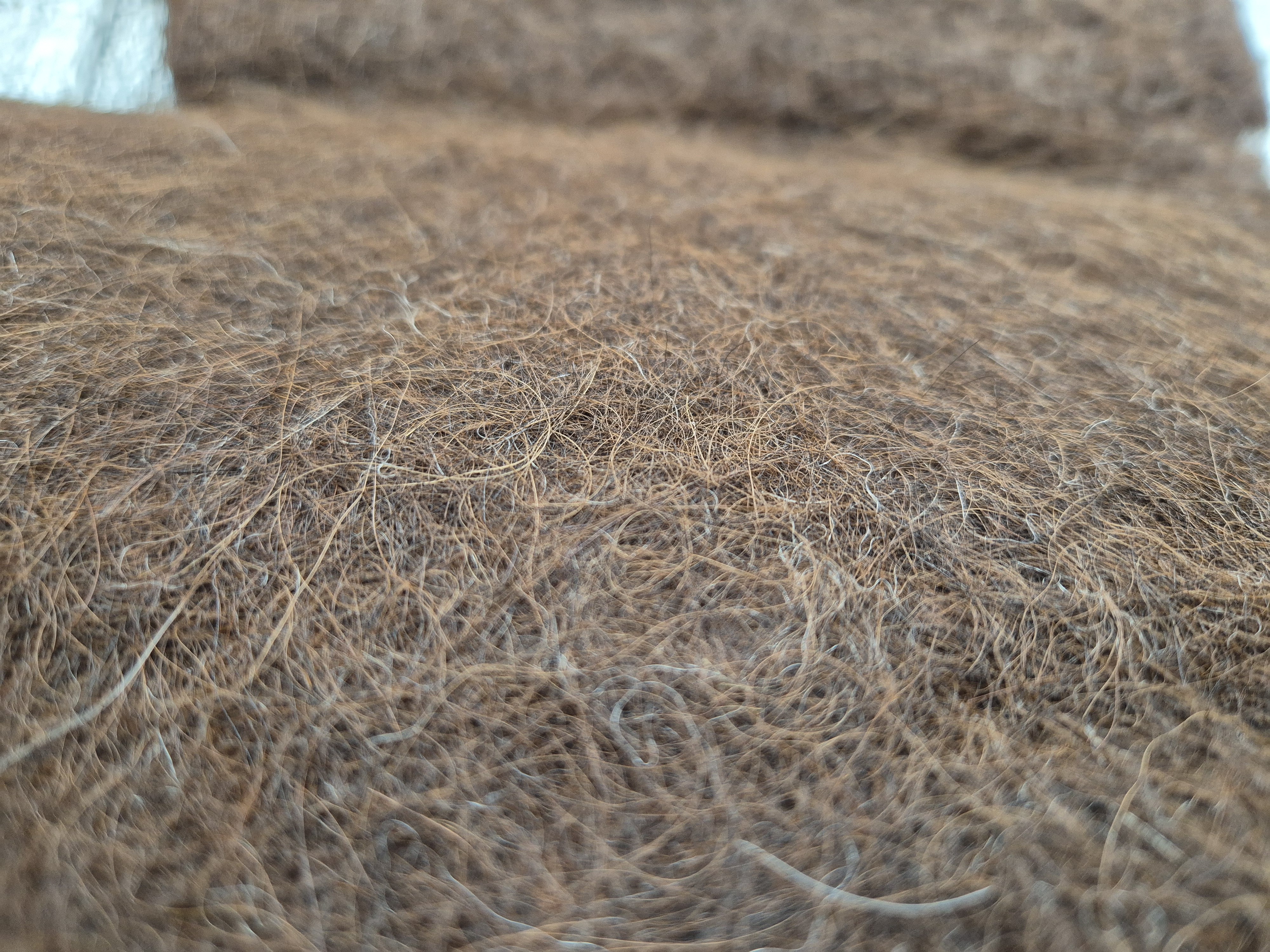

This means the seconds aren’t ideal for projects where you want a soft, smooth finish. But they still have their place! The firm felt works well for items where durability matters more than softness, such as:
- Sturdy backing materials
- Hard-wearing insoles
- Rustic wall art pieces with added embellishments
Wet Felting the Quality Fleece
By contrast, the prime blanket fleece wet felts into a material that is both super strong and luxuriously soft.
Even though occasional coarse hairs may still find their way in, the overall finish is smooth, flexible, and pleasant to the touch.
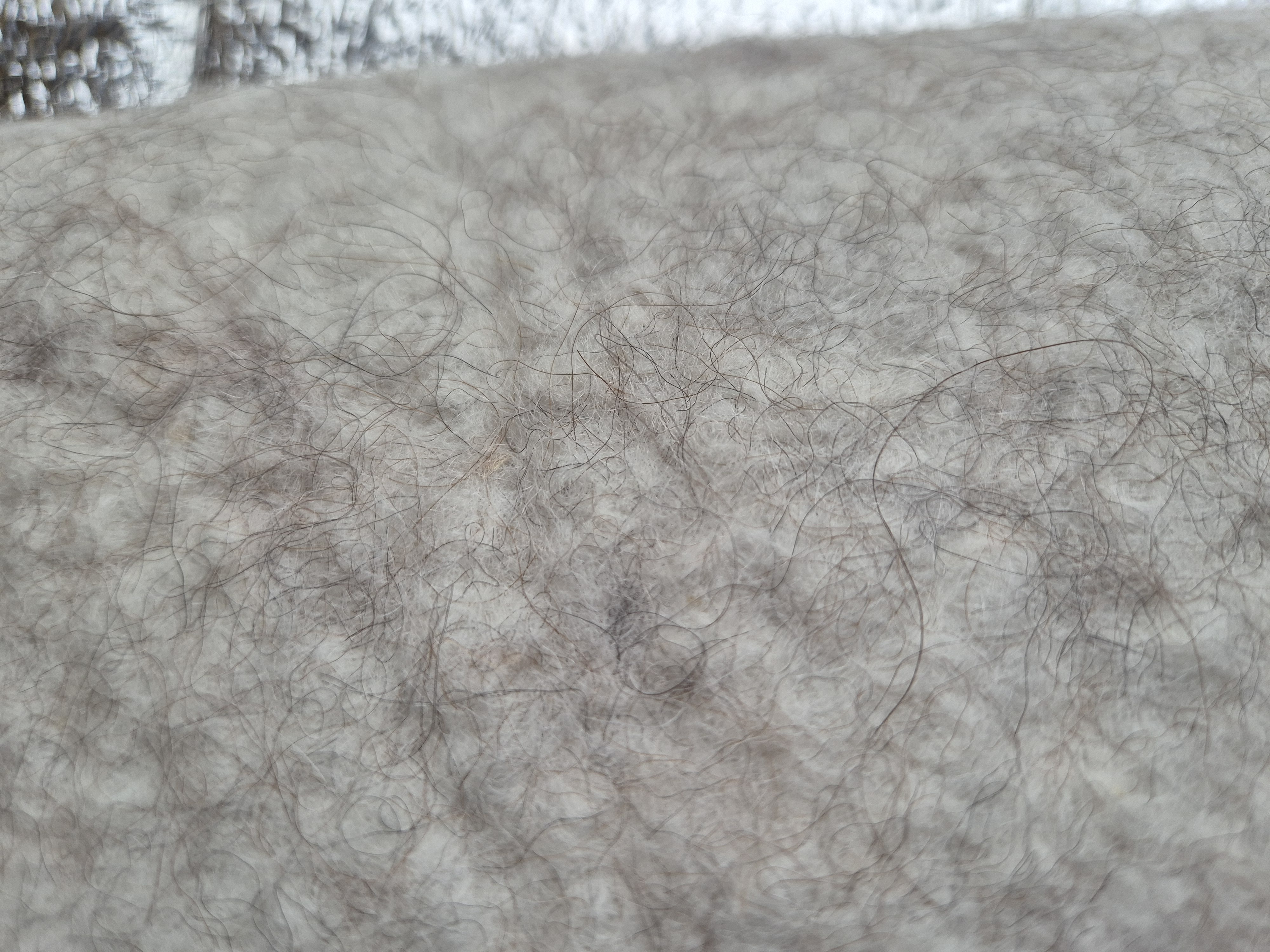
I’ve used wet-felted alpaca blanket fleece in lots of ways, including:
- Inner soles – soft but hard-wearing
- Upholstery – I covered stools with alpaca felt for a warm, tactile finish
- Backing for wall art – strong but still light and flexible
- Throws and blankets – I’ve even combined wet felted alpaca with sheep fleece to create soft yet durable throws. The alpaca backing keeps them flexible and comfortable, compared to sheep fleece alone.
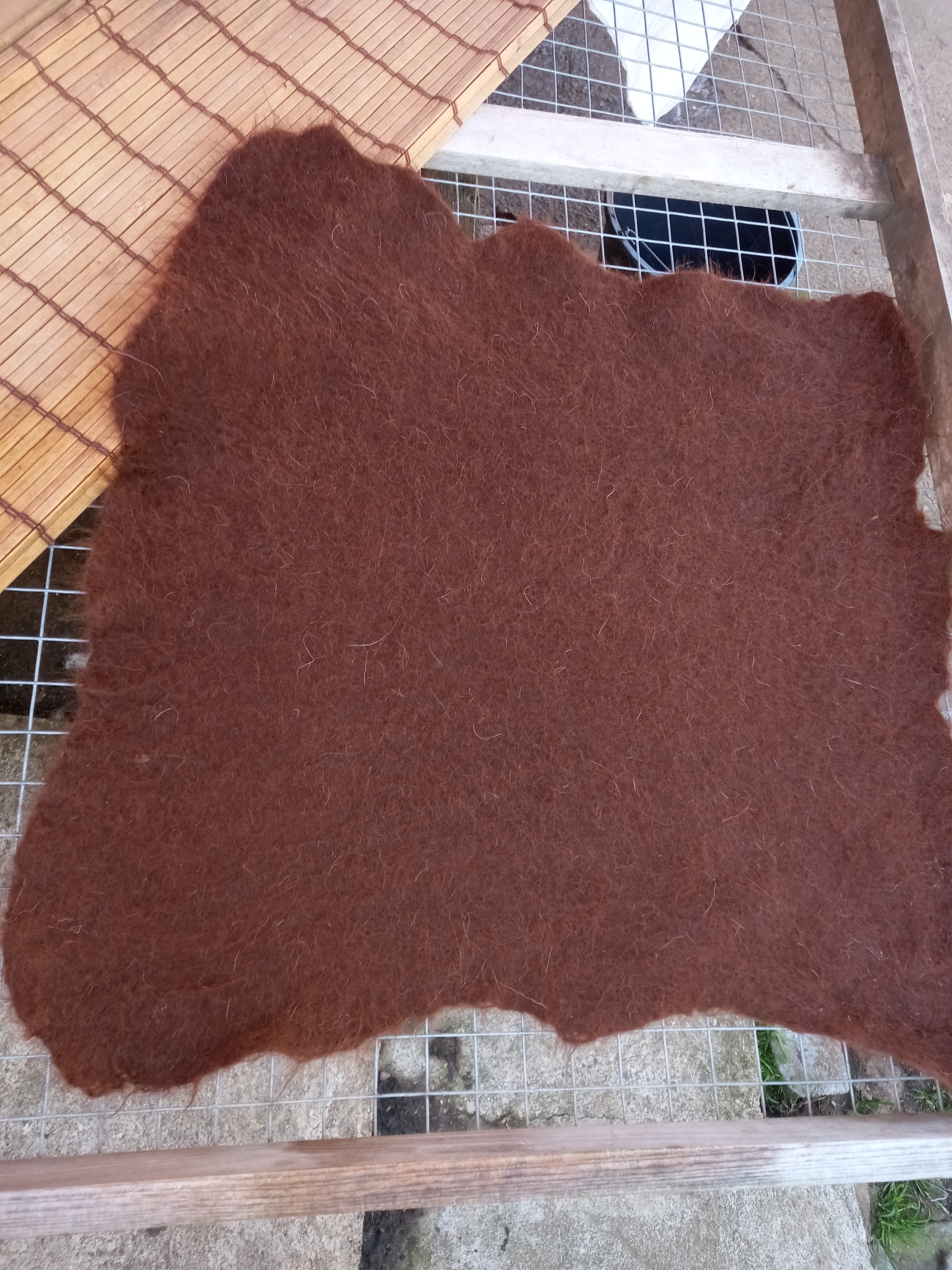

Which Should You Use?
It really depends on the project. If you want softness, warmth, and flexibility, always choose the prime quality fleece. If you just need a firm, rustic material where texture doesn’t matter, the seconds are a practical option.
The beauty of alpaca is that nothing goes to waste — both types of fleece have their own uses, and wet felting brings out the unique qualities of each.
Tip for beginners: If you’re new to wet felting with alpaca, start with the quality fleece. It behaves more predictably, gives satisfying results, and is less likely to leave you with a hairy finish!